
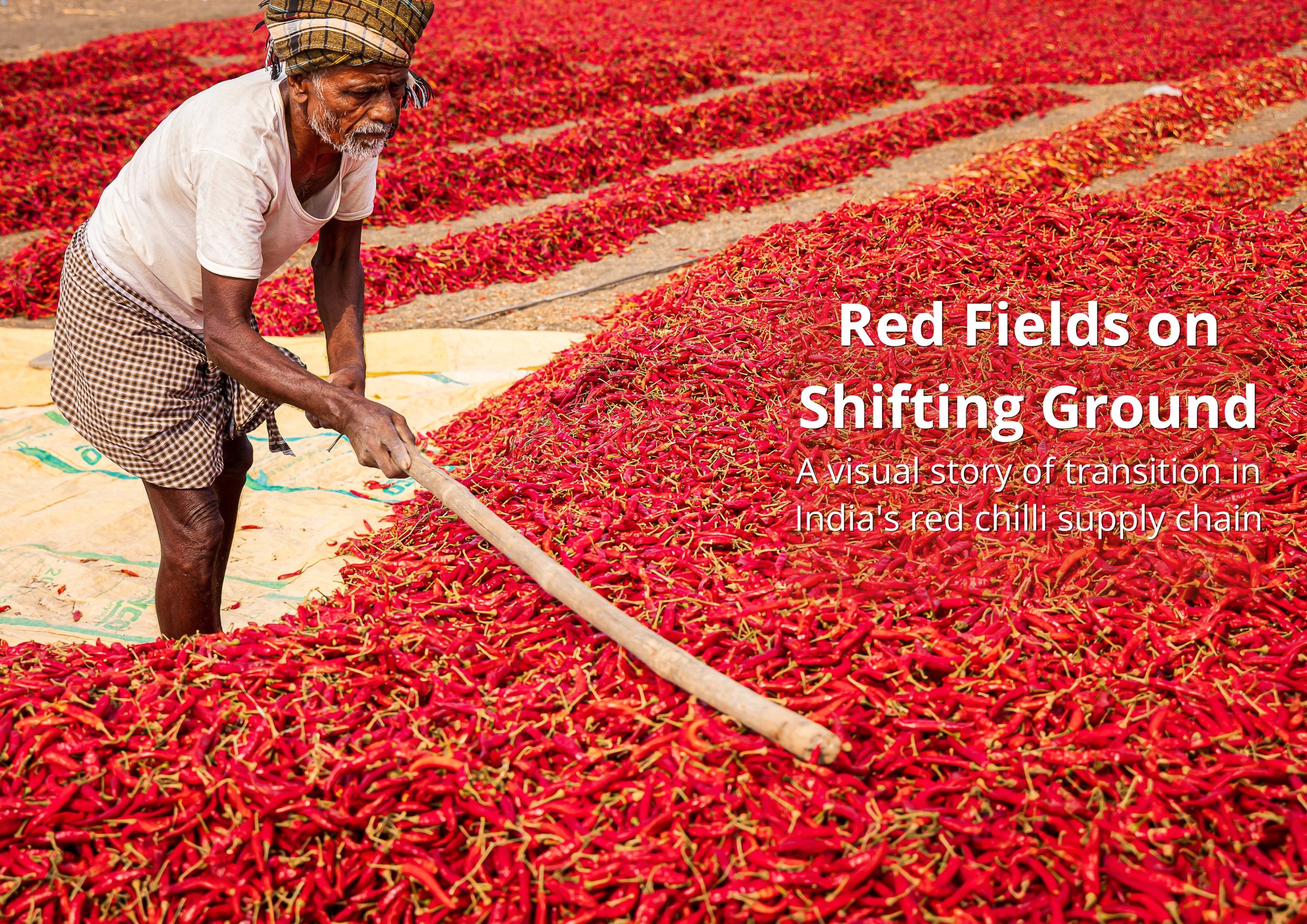
In his long-term project Behind Our Daily Food, Marco explores how food is produced, shared and experienced, both globally and locally: from tea plantations in Sri Lanka and spice farmers in India to urban gardens and community kitchens in The Hague. His work shows how food connects people, places and stories.
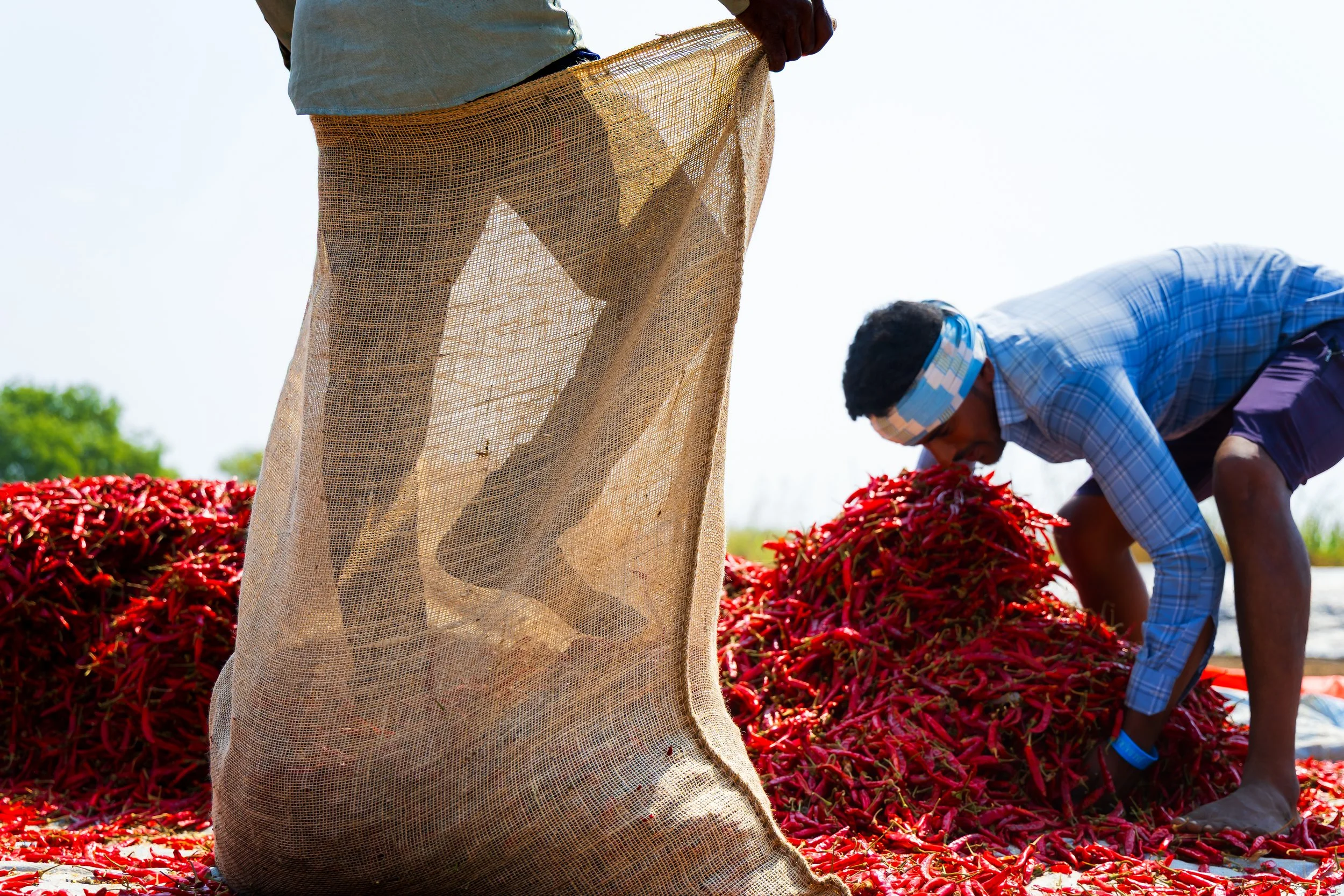
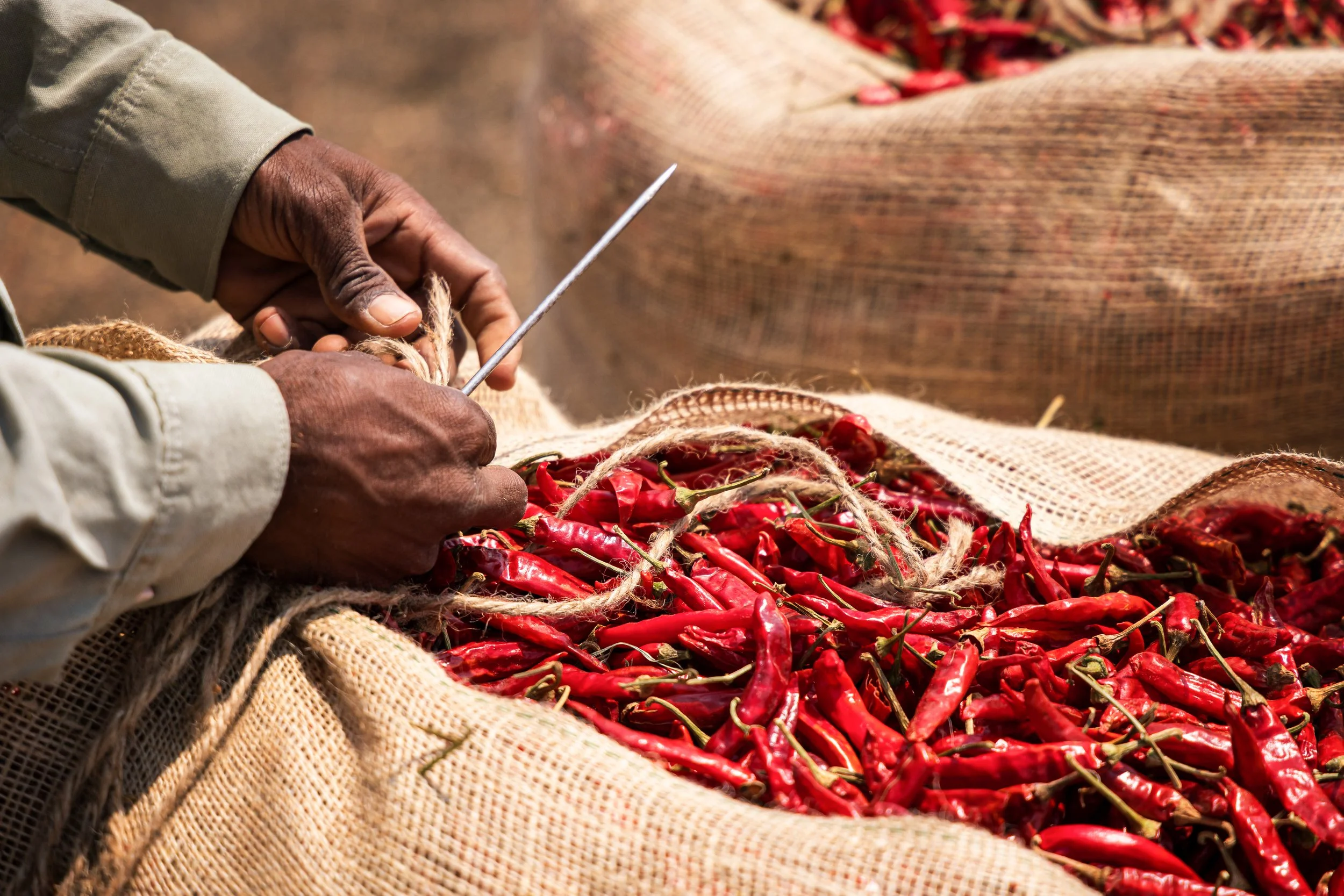
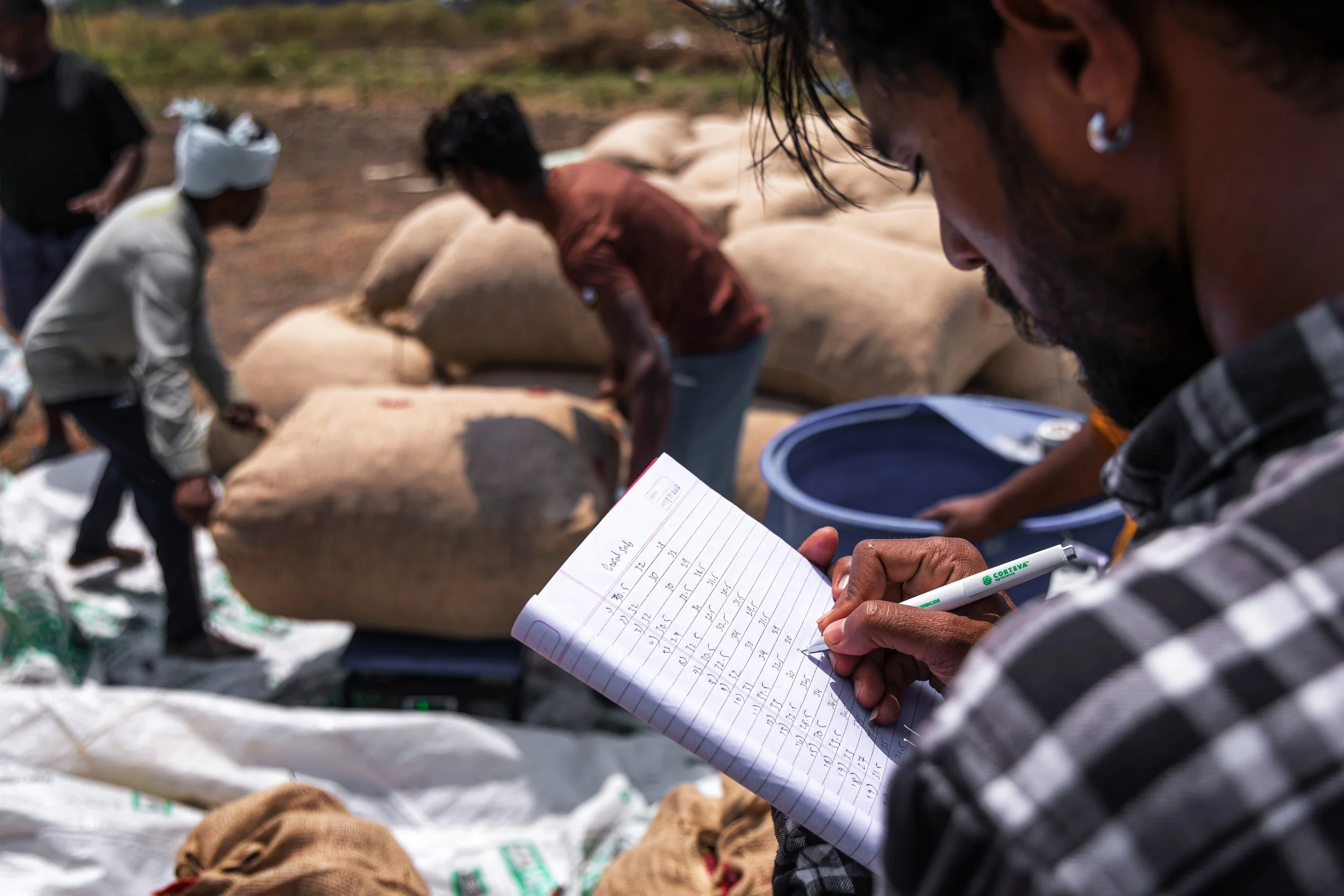
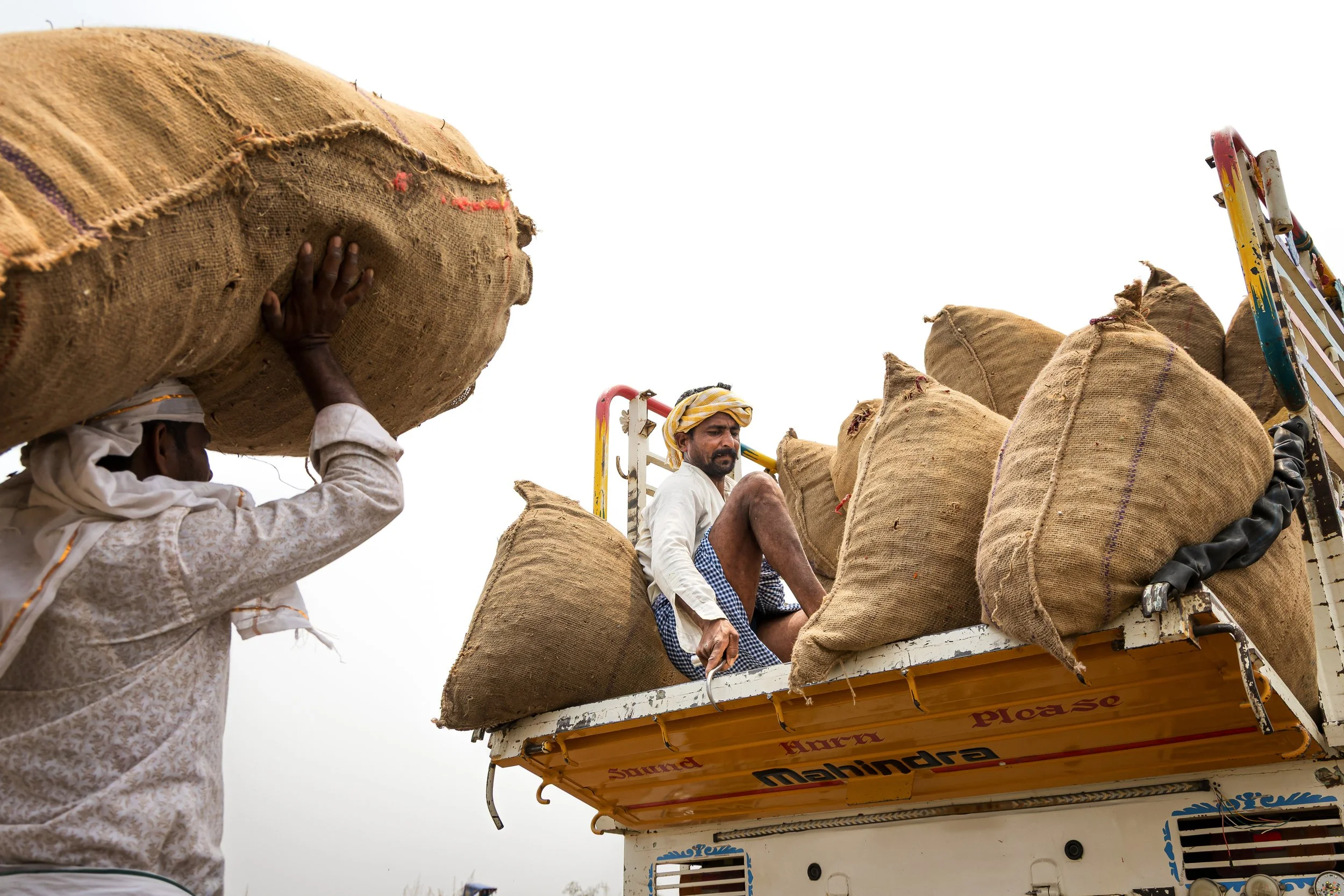
For Red Fields on Shifting Ground, Marco gained access to chilli farmers, villages, drying fields and processing sites in India. The series follows the beginning of the chilli chain and shows how an everyday ingredient is connected to labour, knowledge, risk and change.
Click on the image to see the full report
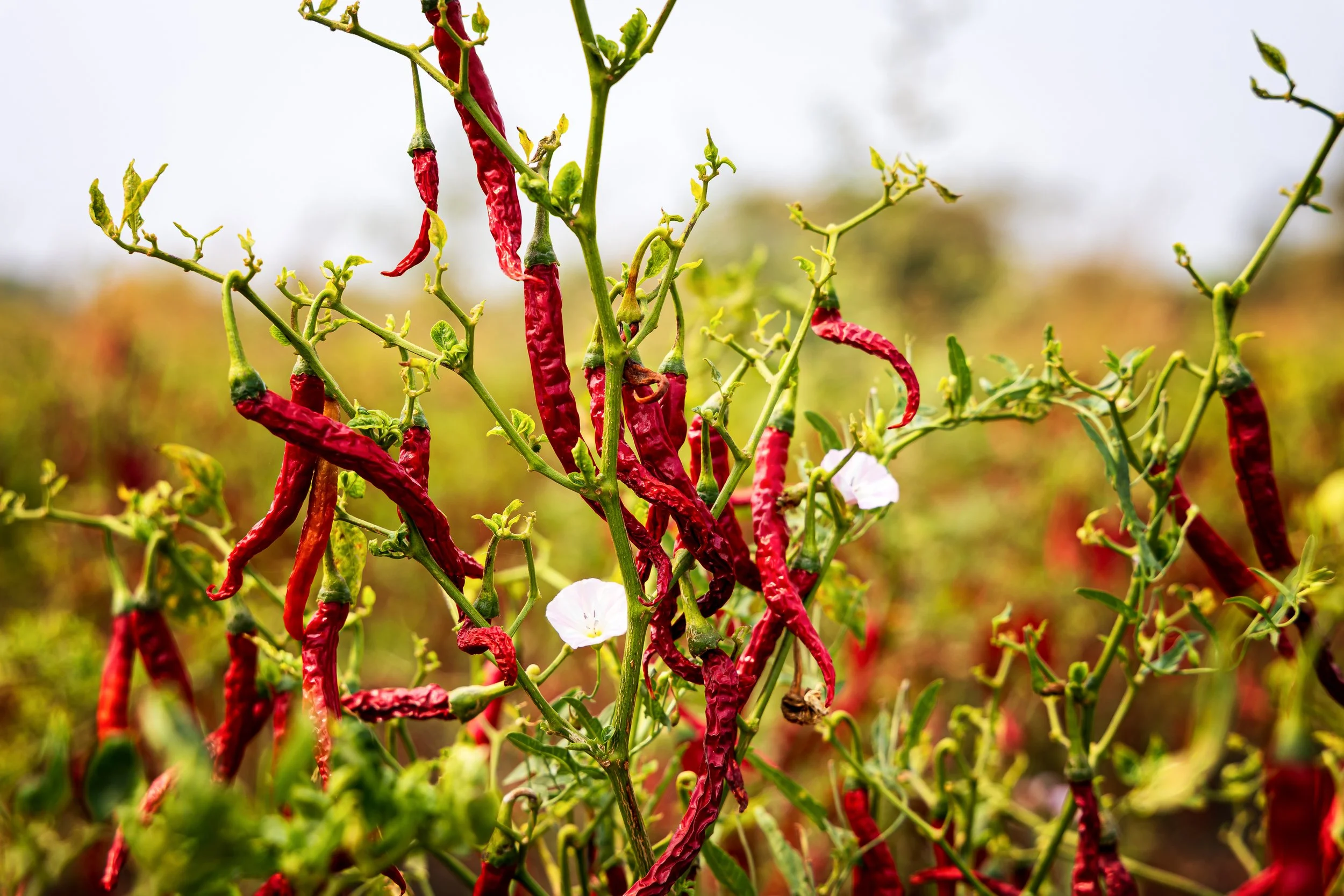
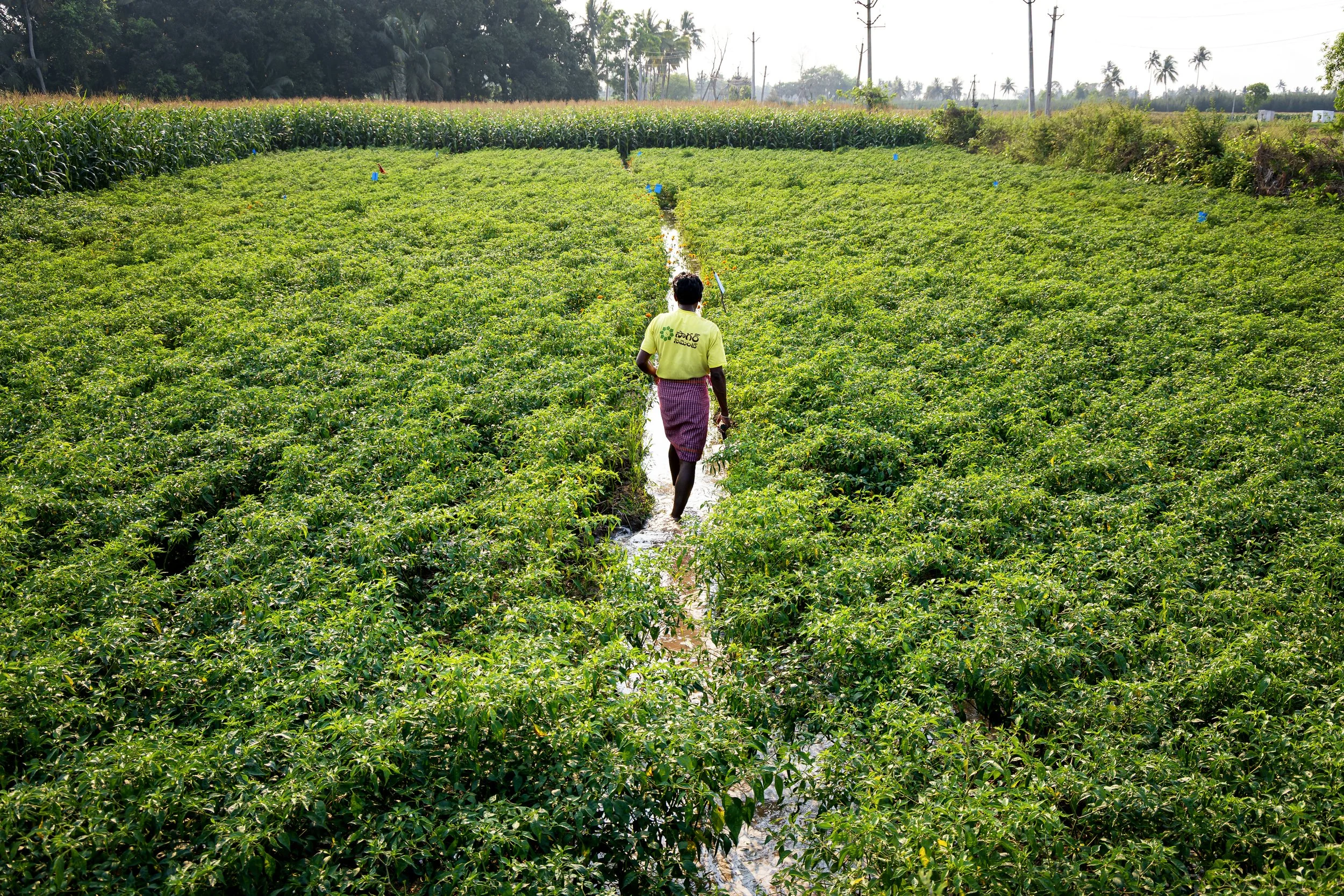
Red chili peppers are a global commodity, but their origin lies in small-scale farming communities in India. In regions like Andhra Pradesh and Karnataka, chili cultivation has long depended on chemical inputs, shaping both the soil and the economics of farming.
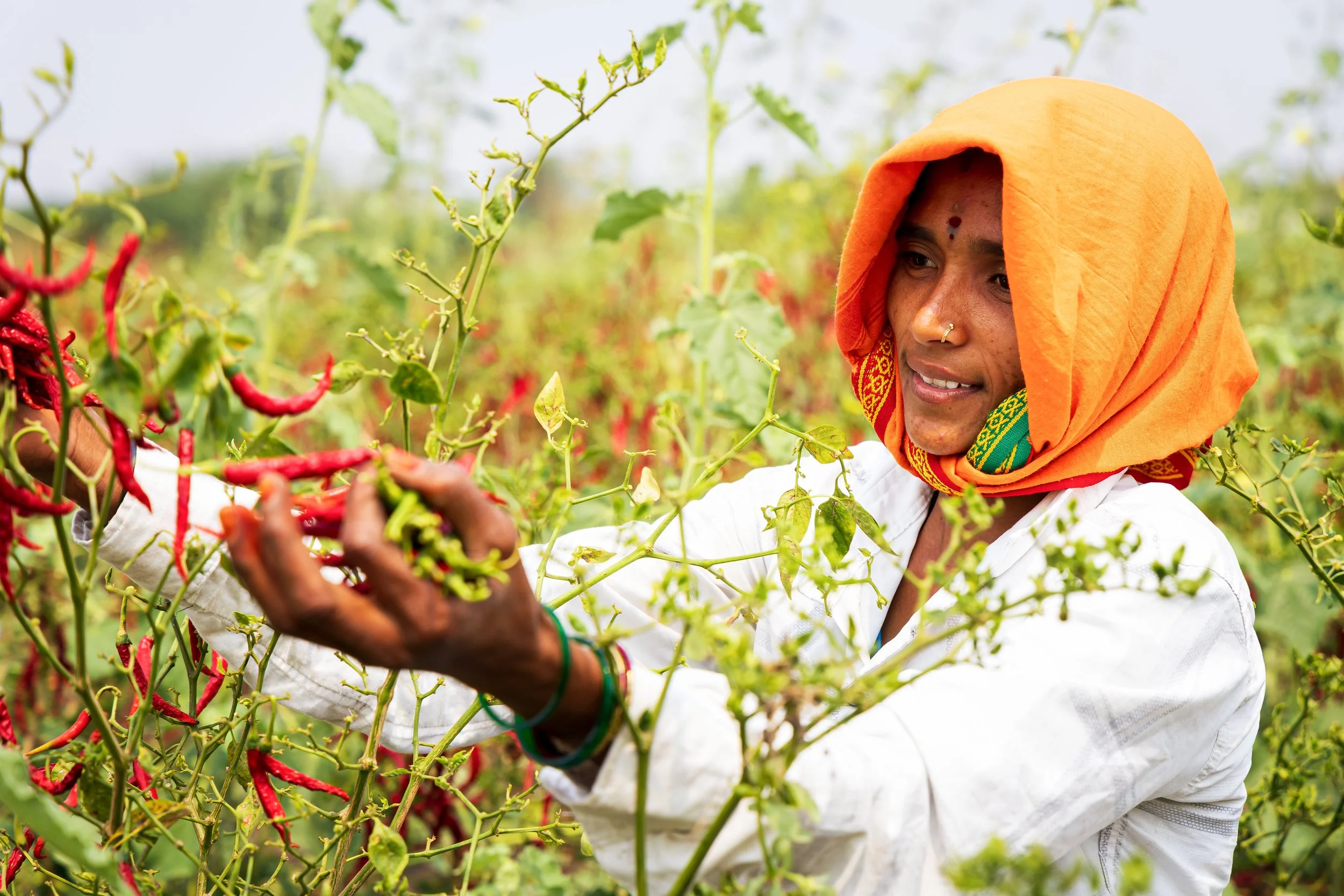
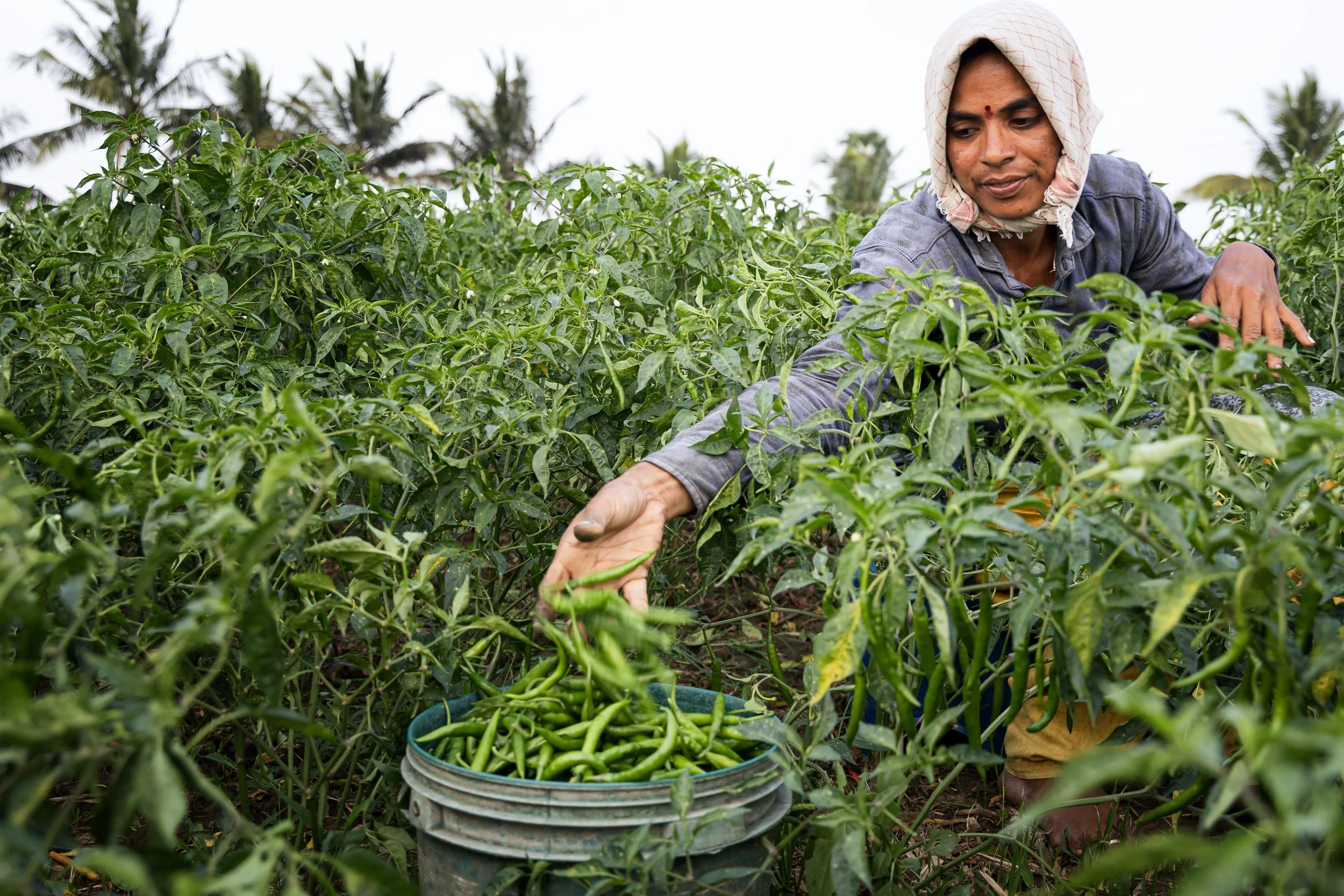
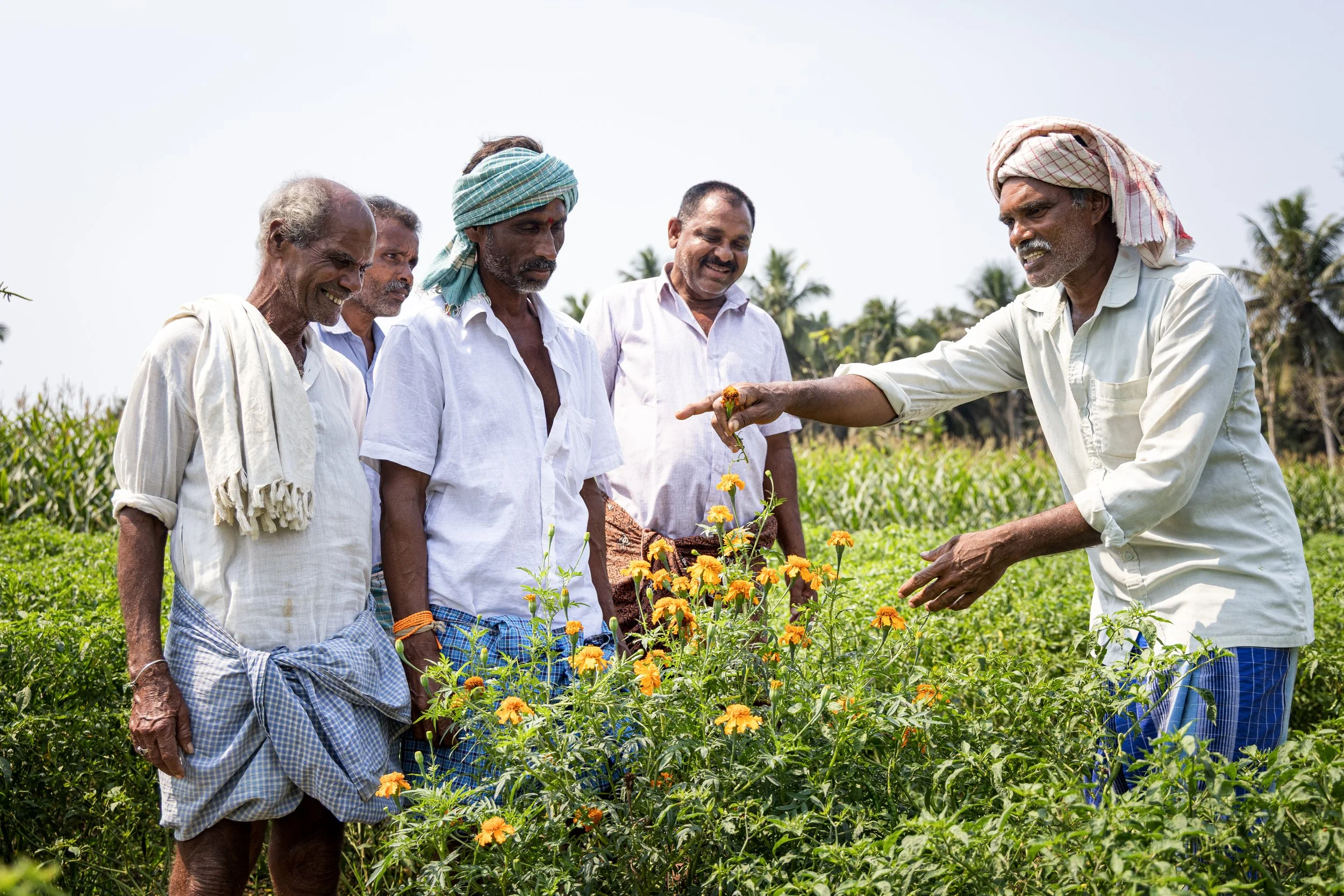
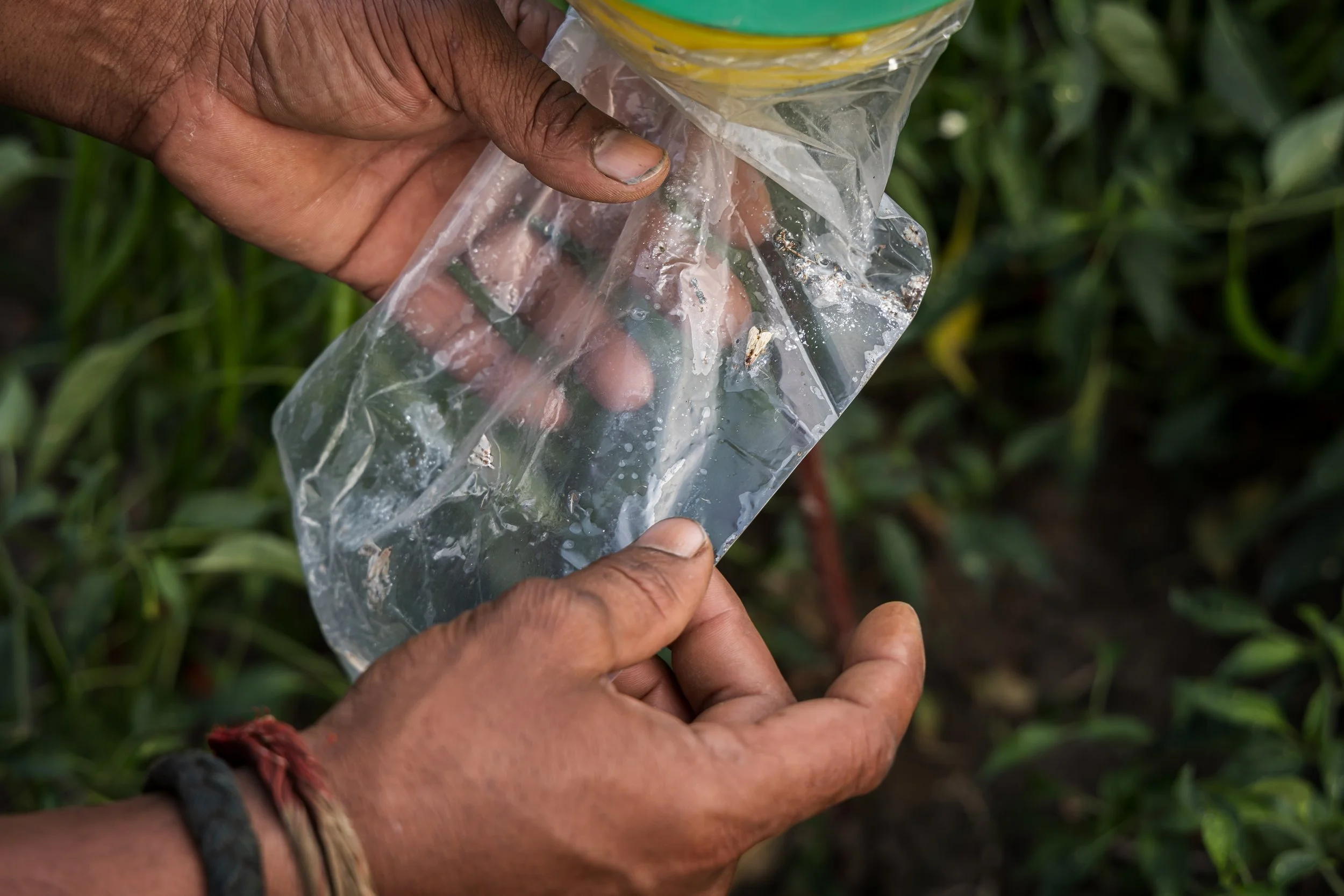
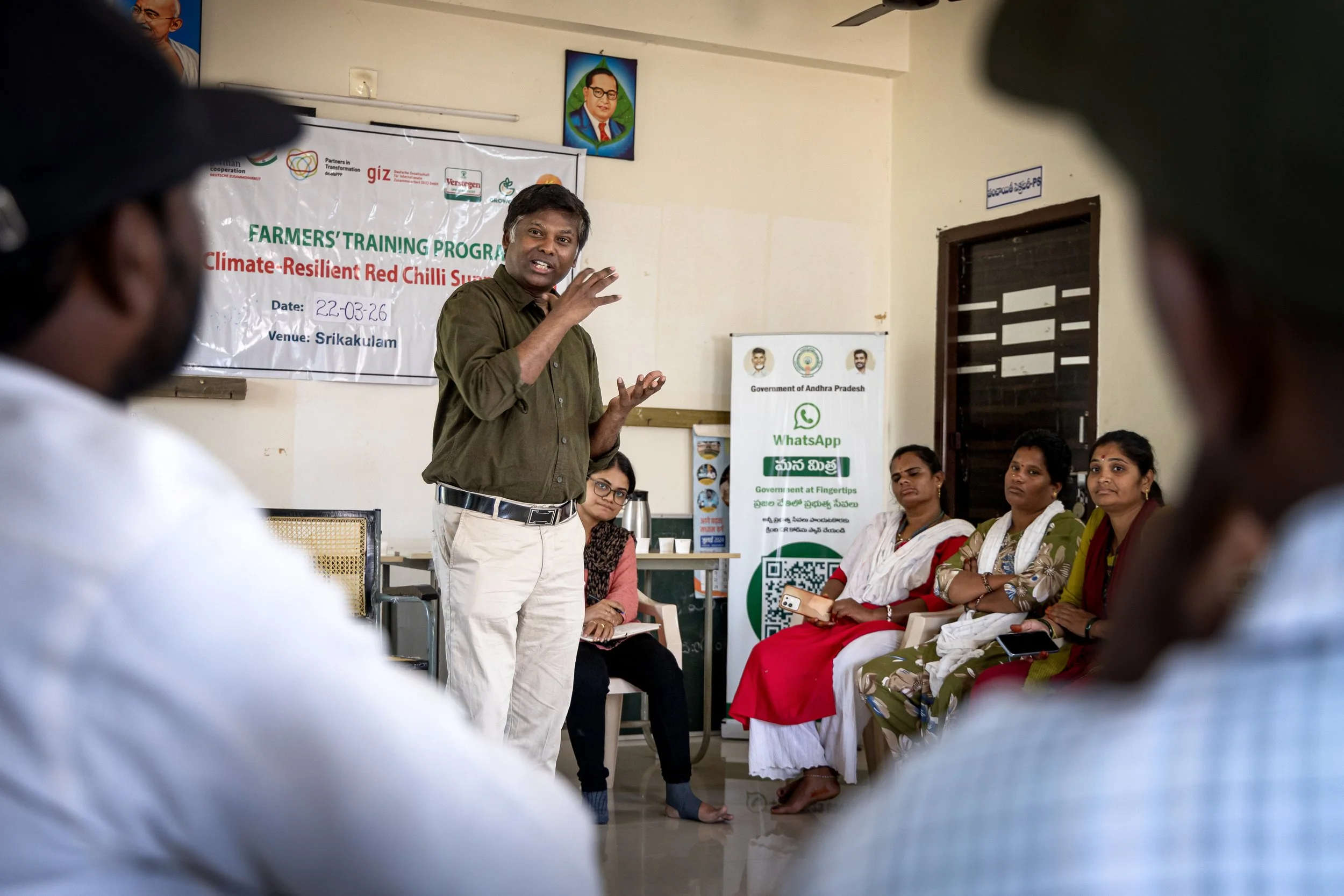
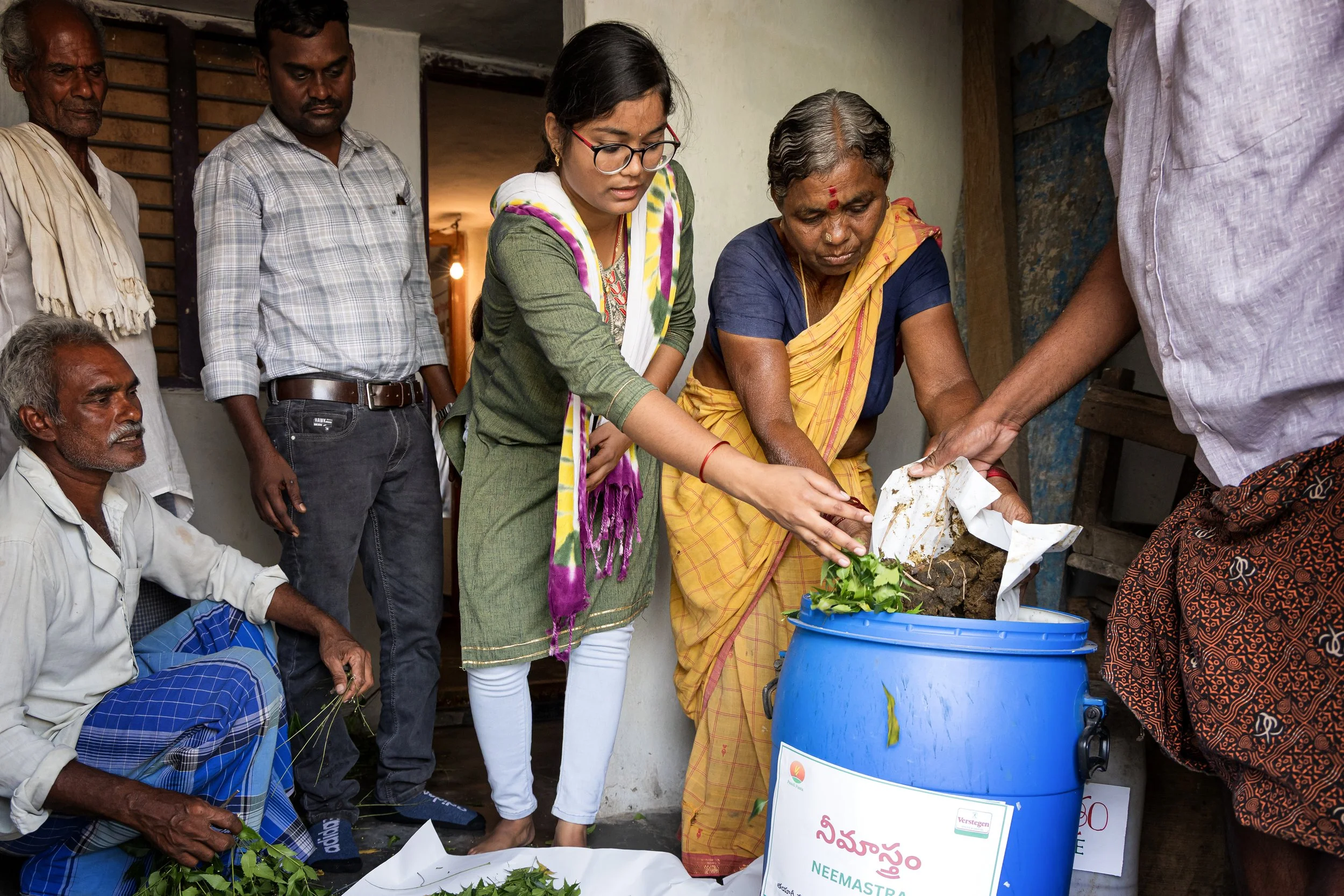
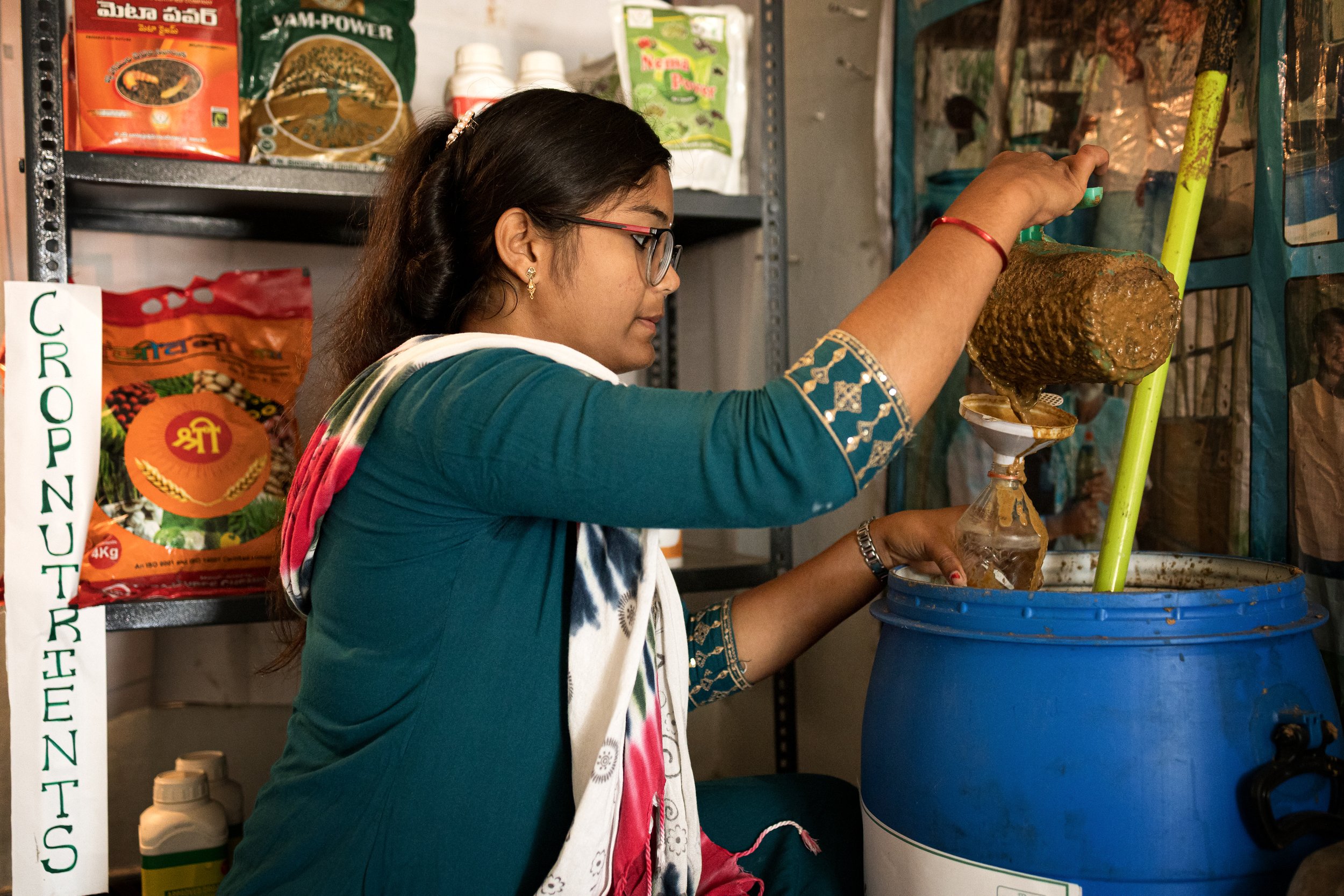
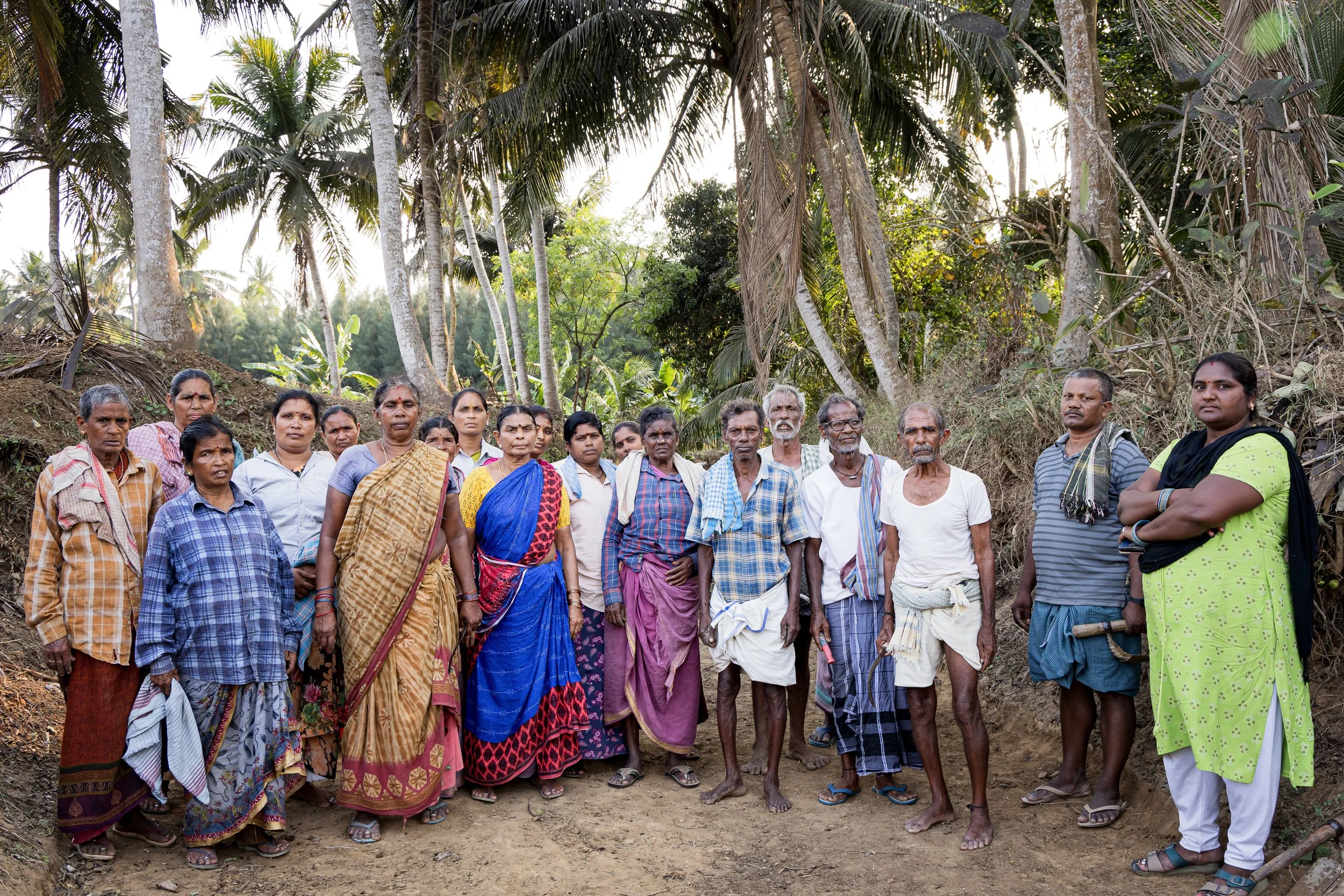
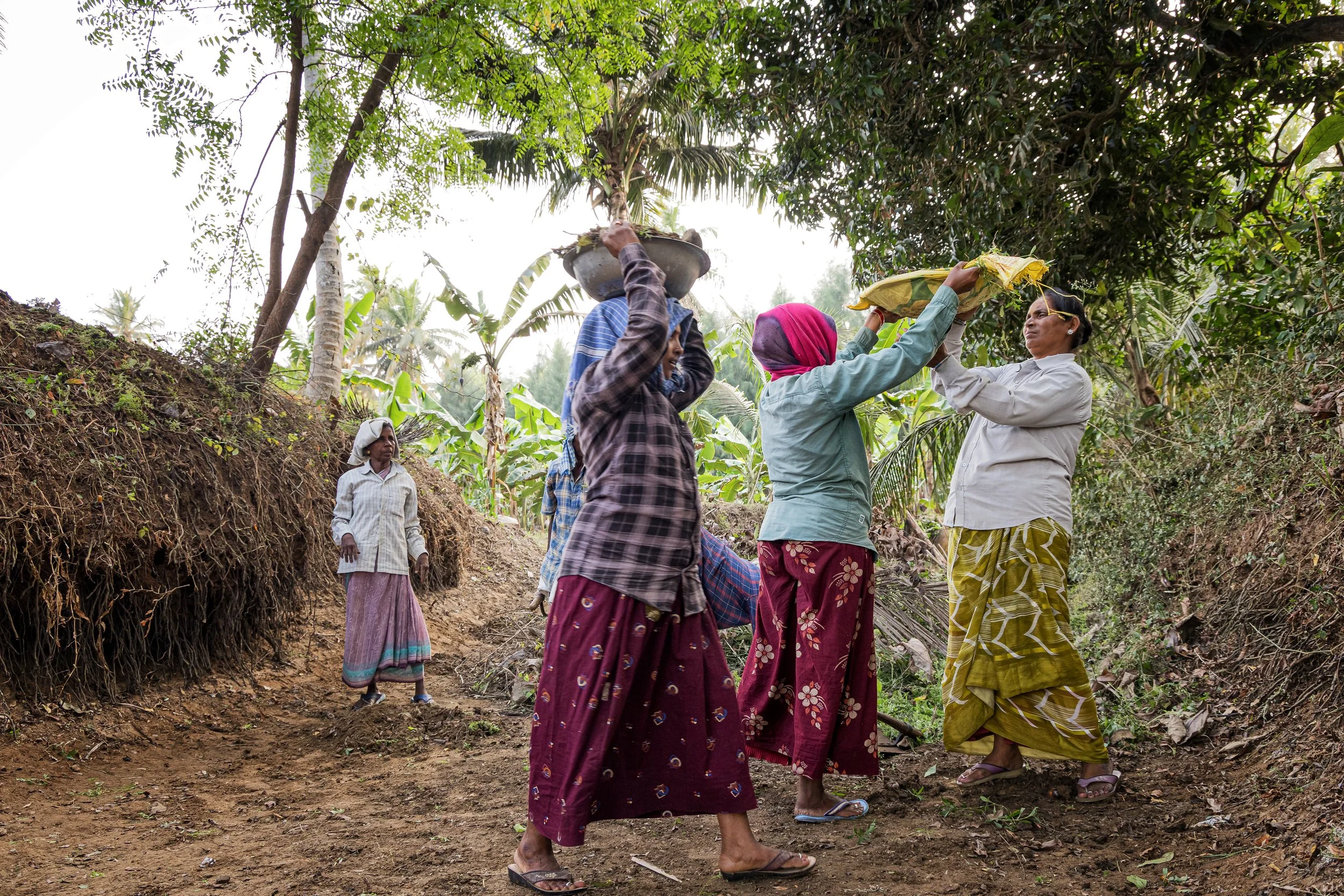
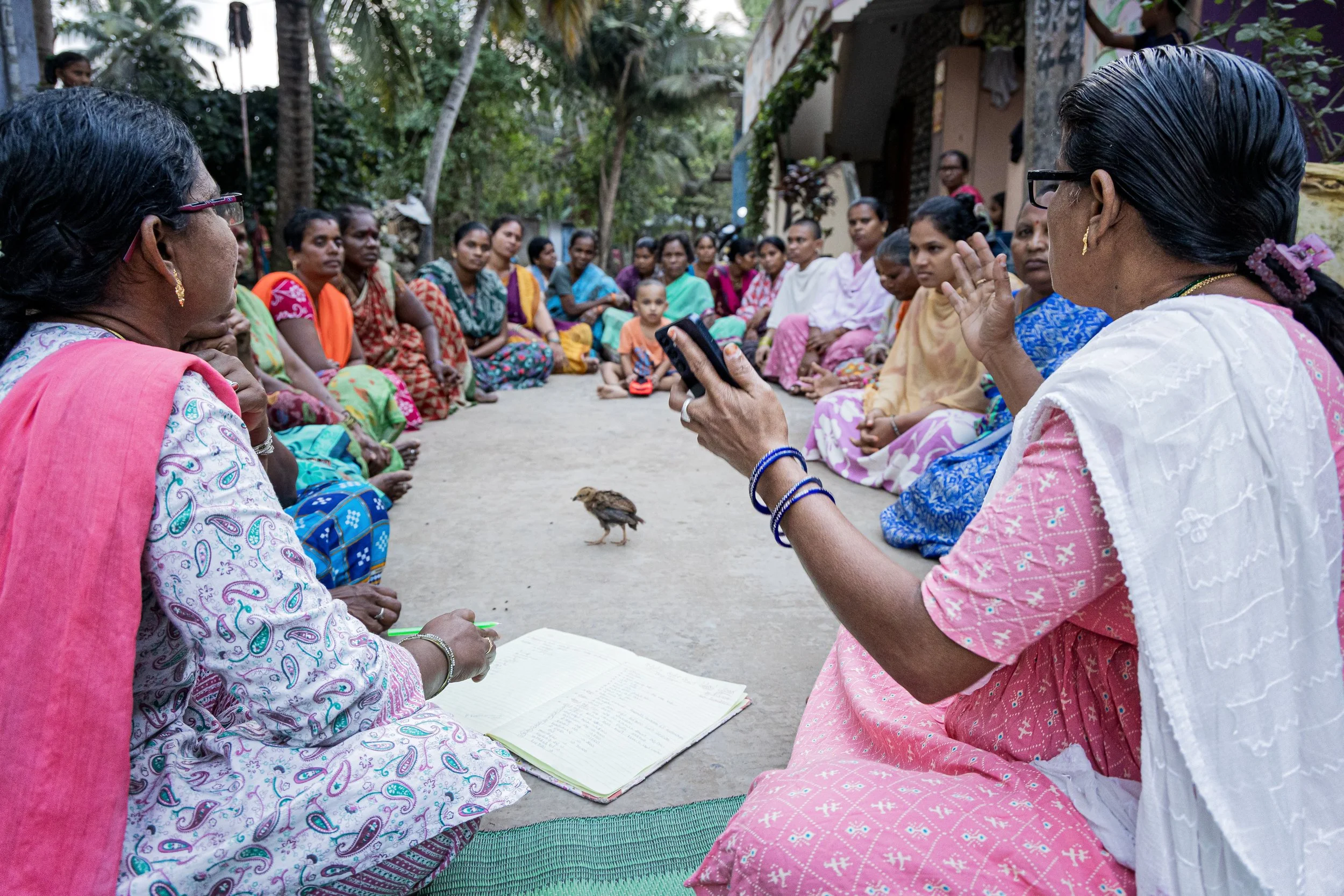
This series follows a shift that is underway. Farmers are experimenting with regenerative practices to restore soil health, reduce dependency on chemicals, and build long-term resilience. These changes are not only technical, but also social, with women increasingly taking on roles as producers and decision-makers within the system.
At the same time, the reality on the ground remains complex. Farmers face unpredictable weather, limited market access, and financial pressure that shapes everyday decisions. Progress is visible, but not linear.
By moving between fields, families, and processing, this work looks at the chili supply chain from the inside. It focuses on the people who carry it, the choices they make, and the constraints they face.
What emerges is not a finished story of transition, but a system in motion, where change takes shape step by step.
“Now it is my turn to take care
of the land and the future.”
Srinu Pilla & Family — Ippili, Andhra Pradesh
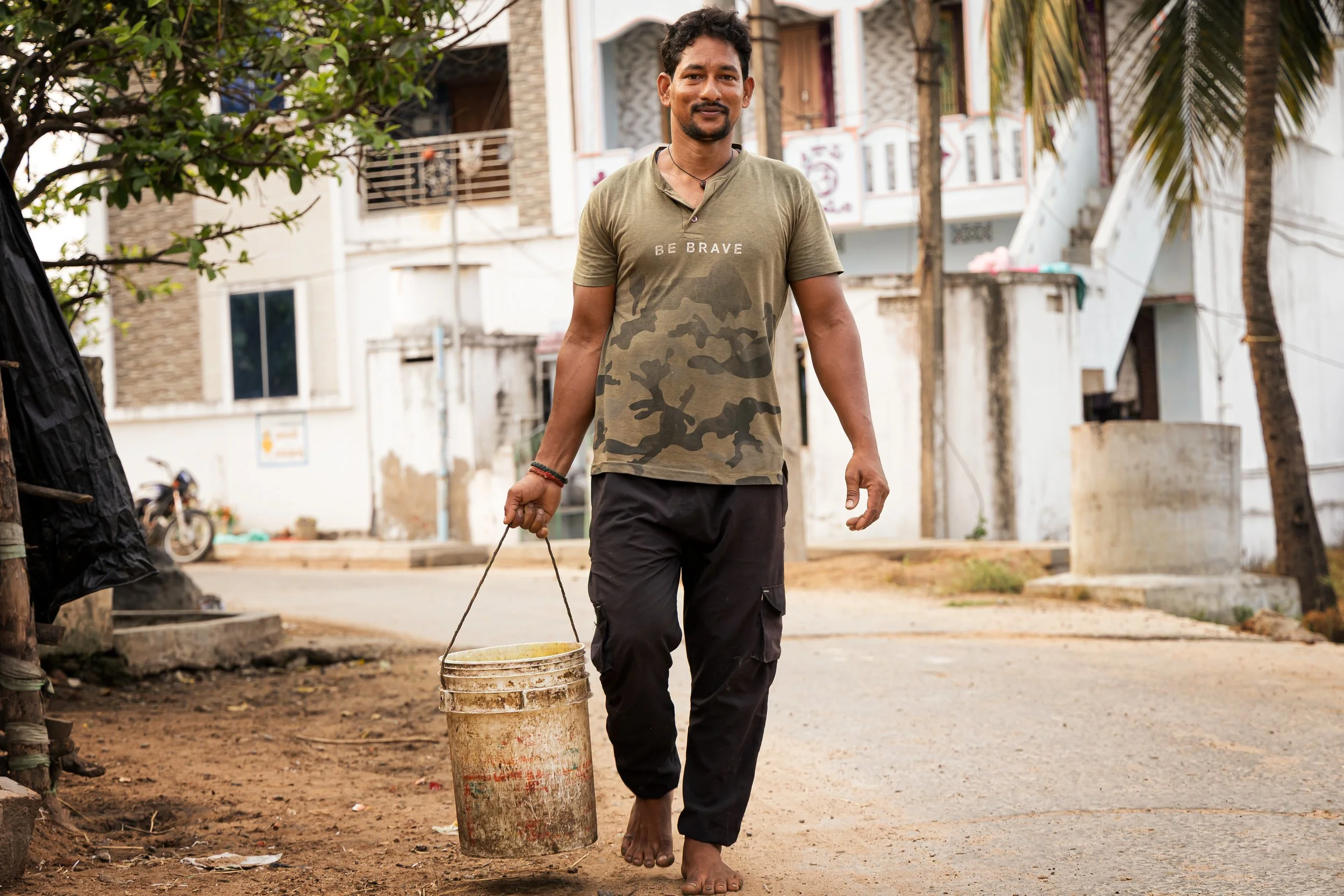
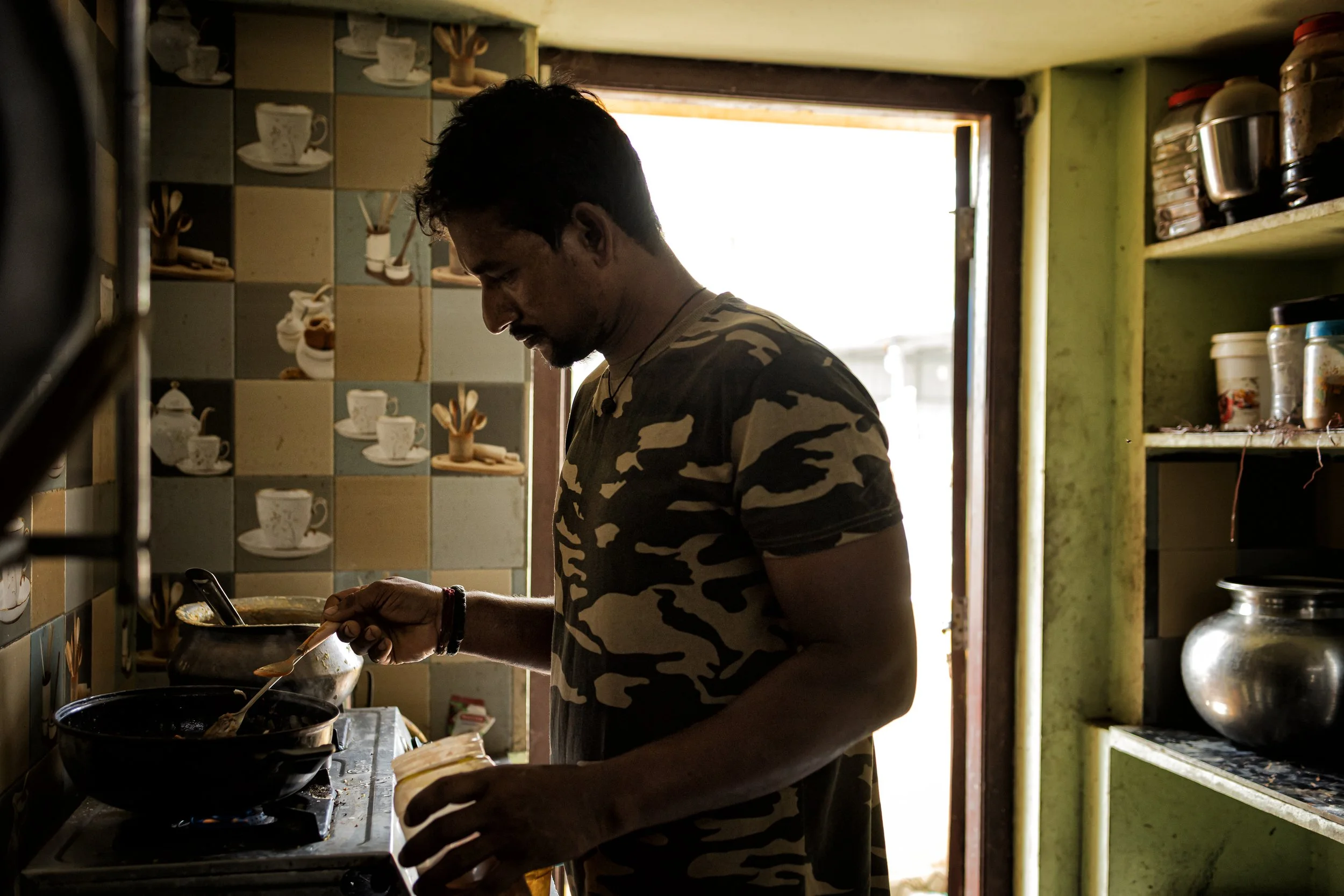
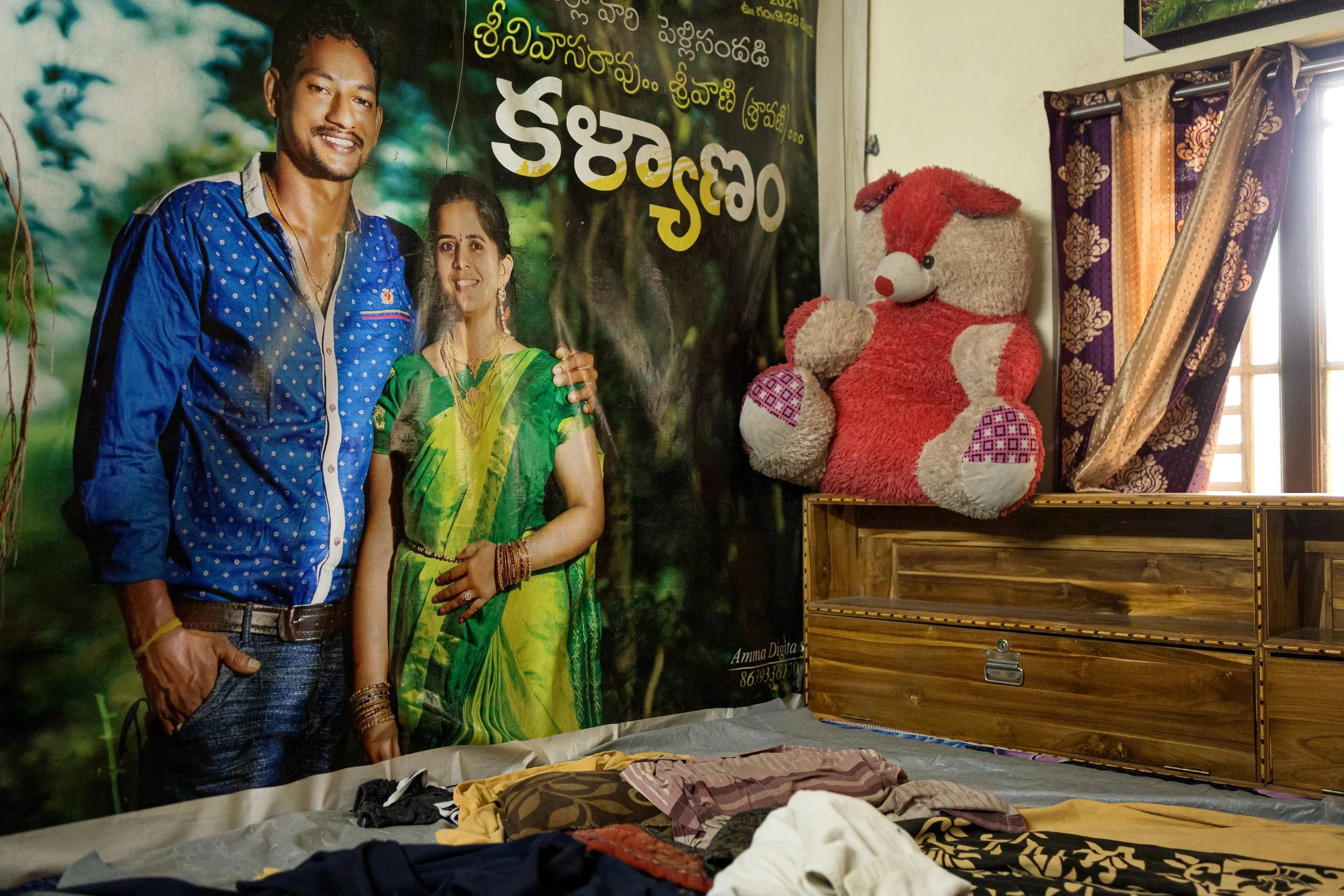
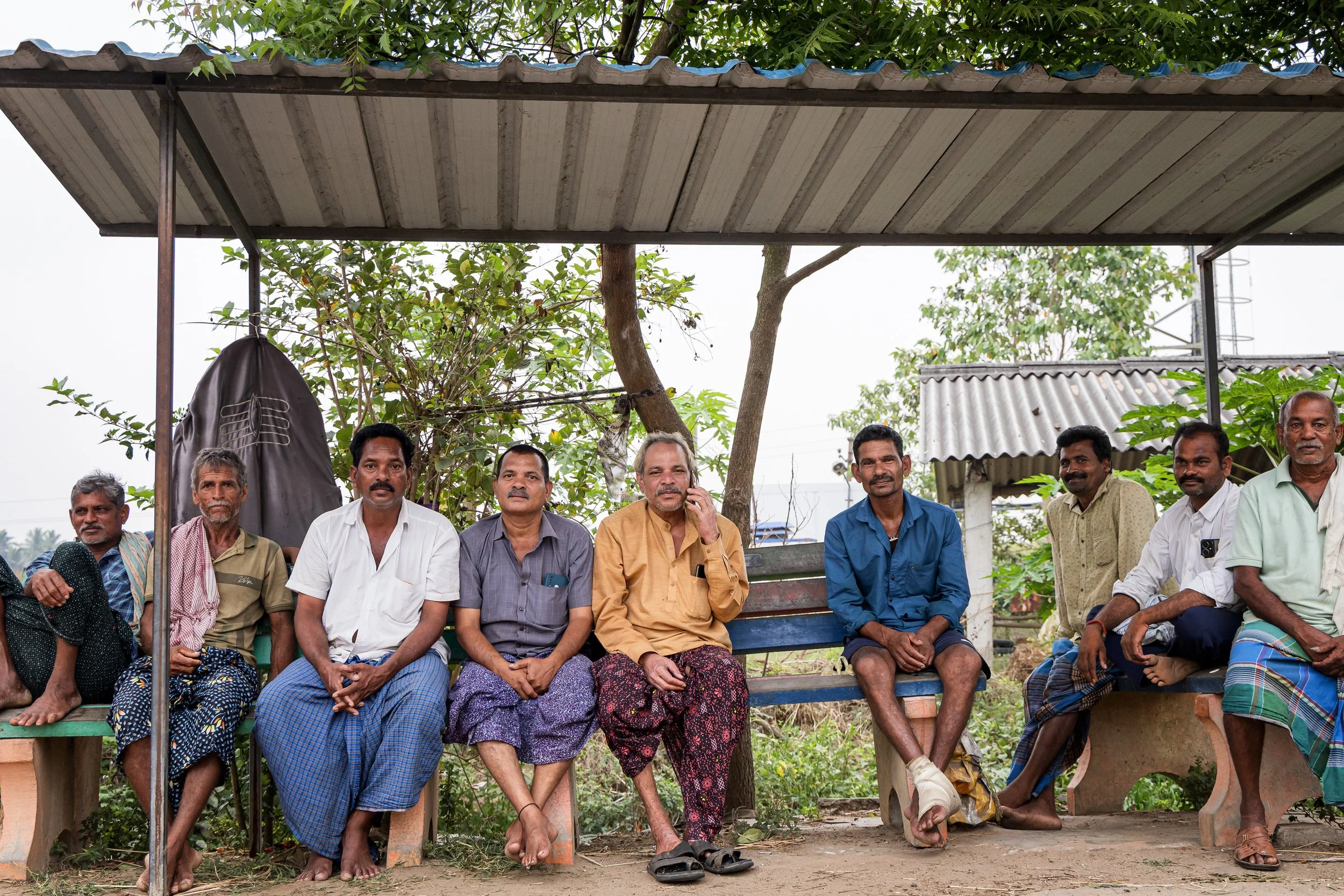
Srinu Pilla lives in the village of Ippili with his wife Sravani, their two children, and his parents. The household of six shares both home and work. Farming is not just his livelihood—it is a family responsibility that has been passed down over generations.
“We are farmers for more than 25 years in our family,” Srinu says. “Now it is my turn to take care of the land and the future.”
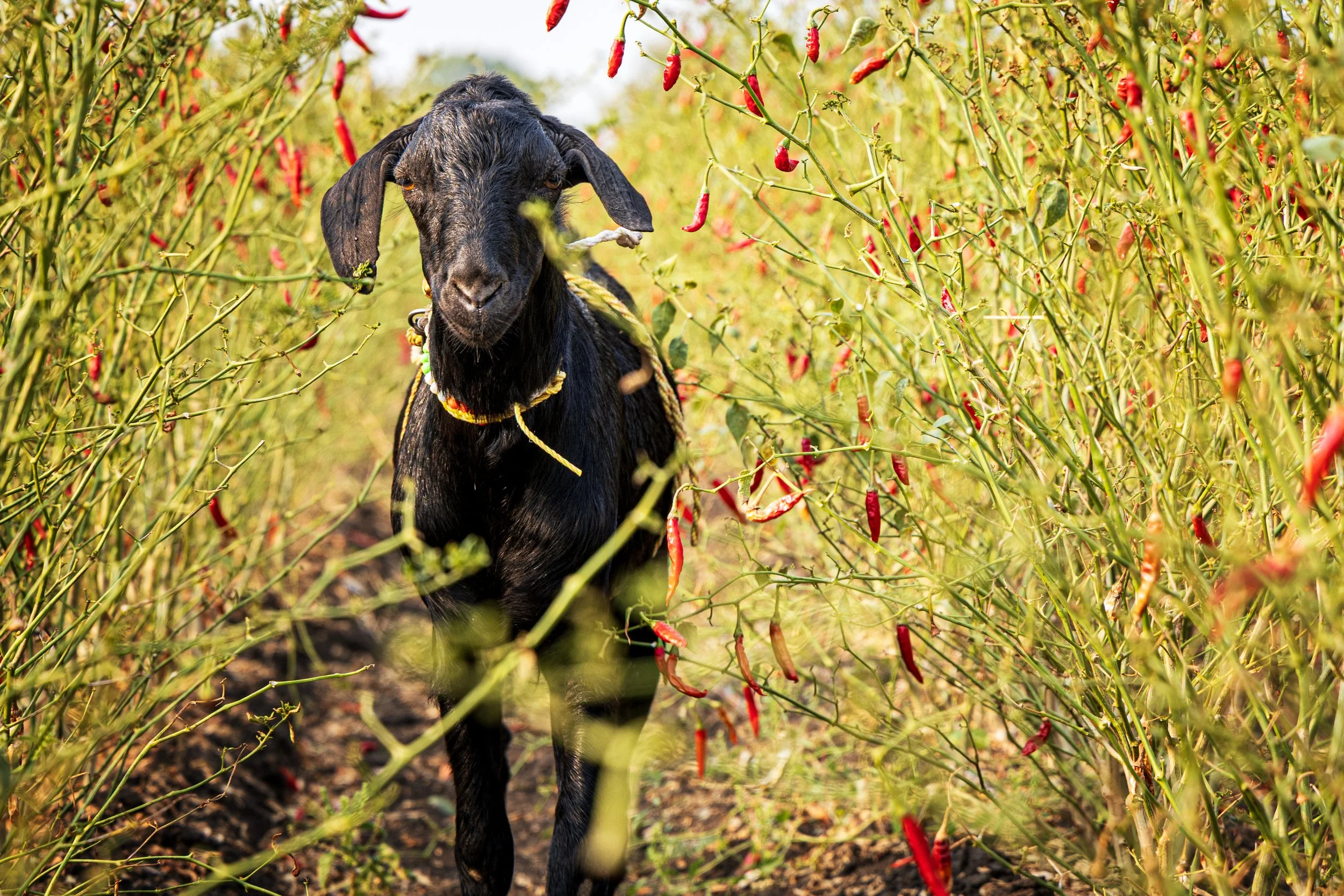
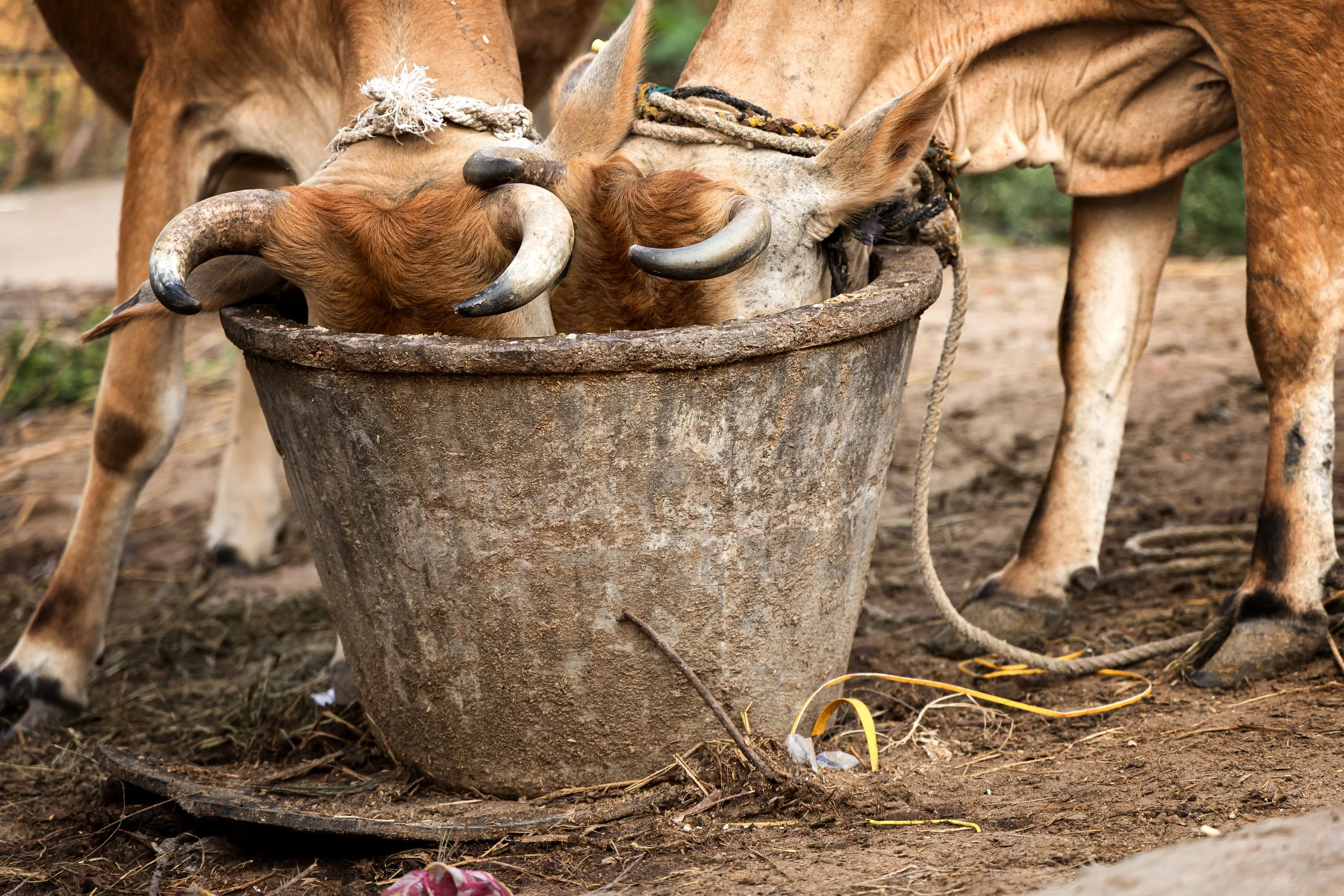
Together, they cultivate a mix of crops on their land: red chillies, paddy, maize, cashew, and millets like ragi. This diversity helps them manage risk, but also reflects a way of farming that is closely connected to the rhythms of the land. In addition, they keep five cows and two sheep, providing a small but steady extra income through milk.
Their main income comes from farming, but Srinu also plays another role in the village. He works as a distributor at the local Fair Price Shop, part of the government system that provides essential foods like rice, wheat, and sugar to families at subsidized rates.
“It is important work,” he says. “People depend on it.”
This role gives him a modest additional income, but also places him at the center of the village’s food system—connecting not only what is grown on the land, but also how food reaches people’s homes.
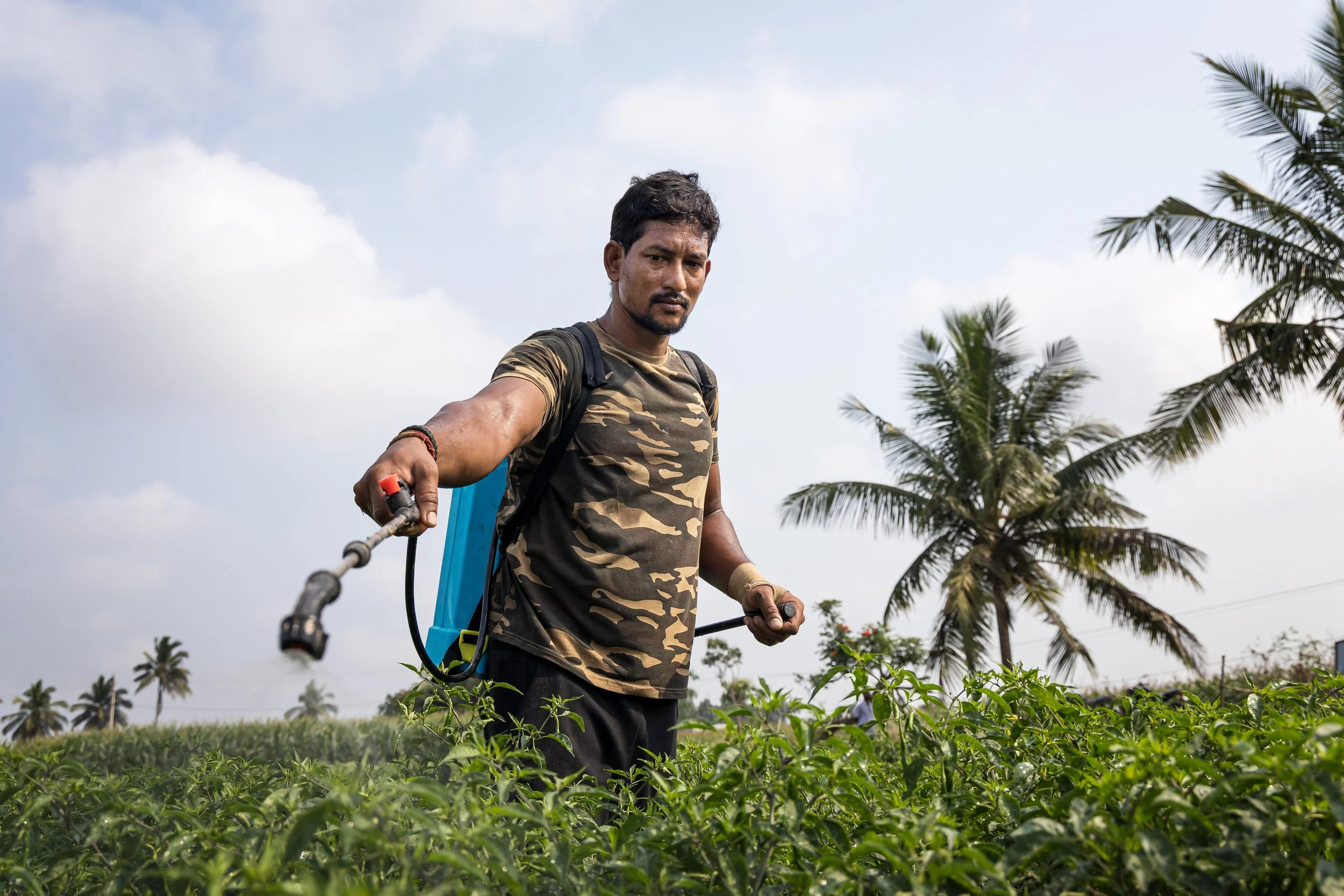
Three years ago, the family made an important shift. After testing natural farming methods on a small plot, they decided to transition their entire farm.
“We saw that the soil became healthier, and the plants were stronger,” Srinu explains. “It is better for the flowers, better for the fruits, and better for people’s health.”
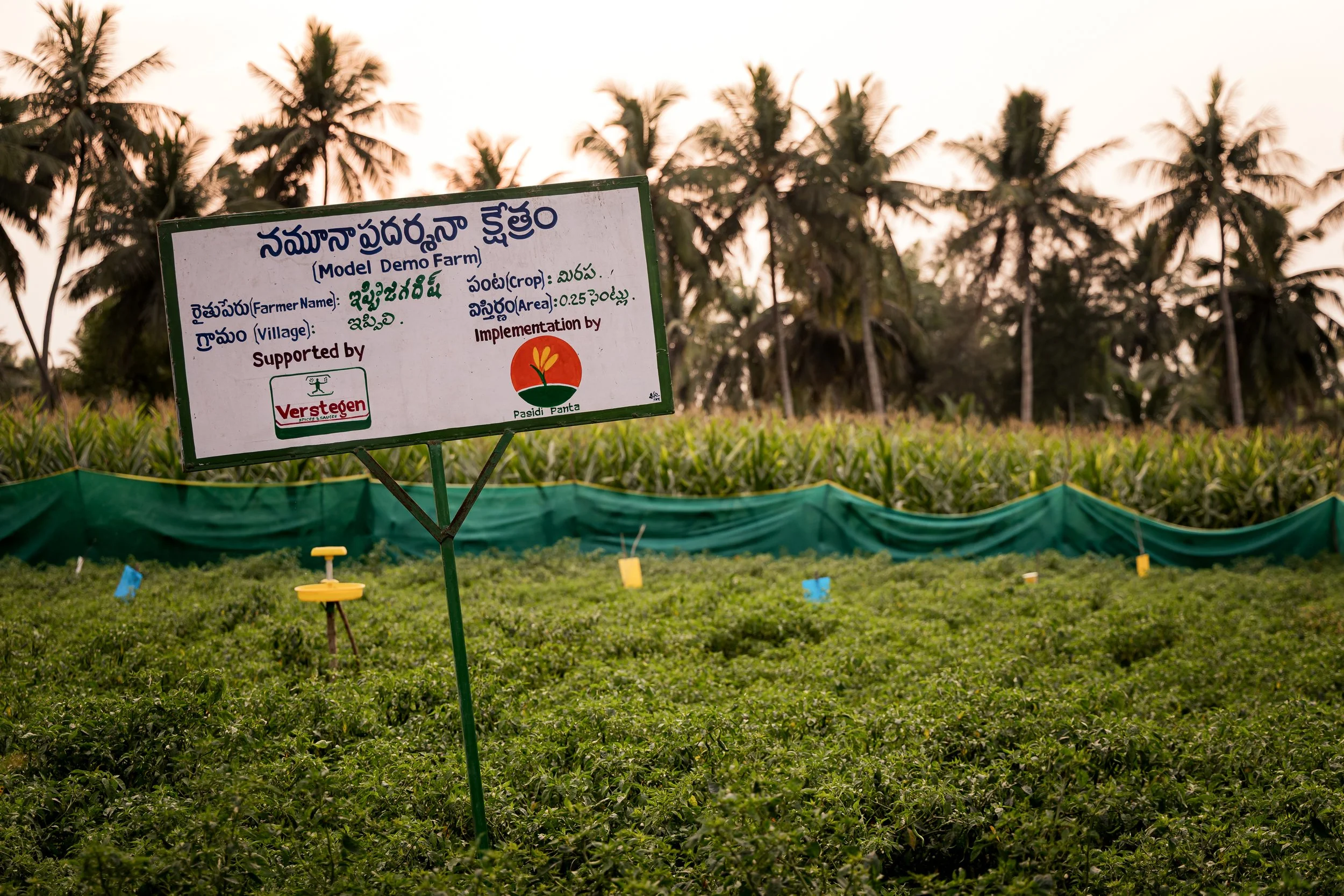
Today, their farm serves as a model for others in the village. Srinu takes pride in being an early adopter, showing that change is possible, even in a traditional farming community. Still, the challenges are real.
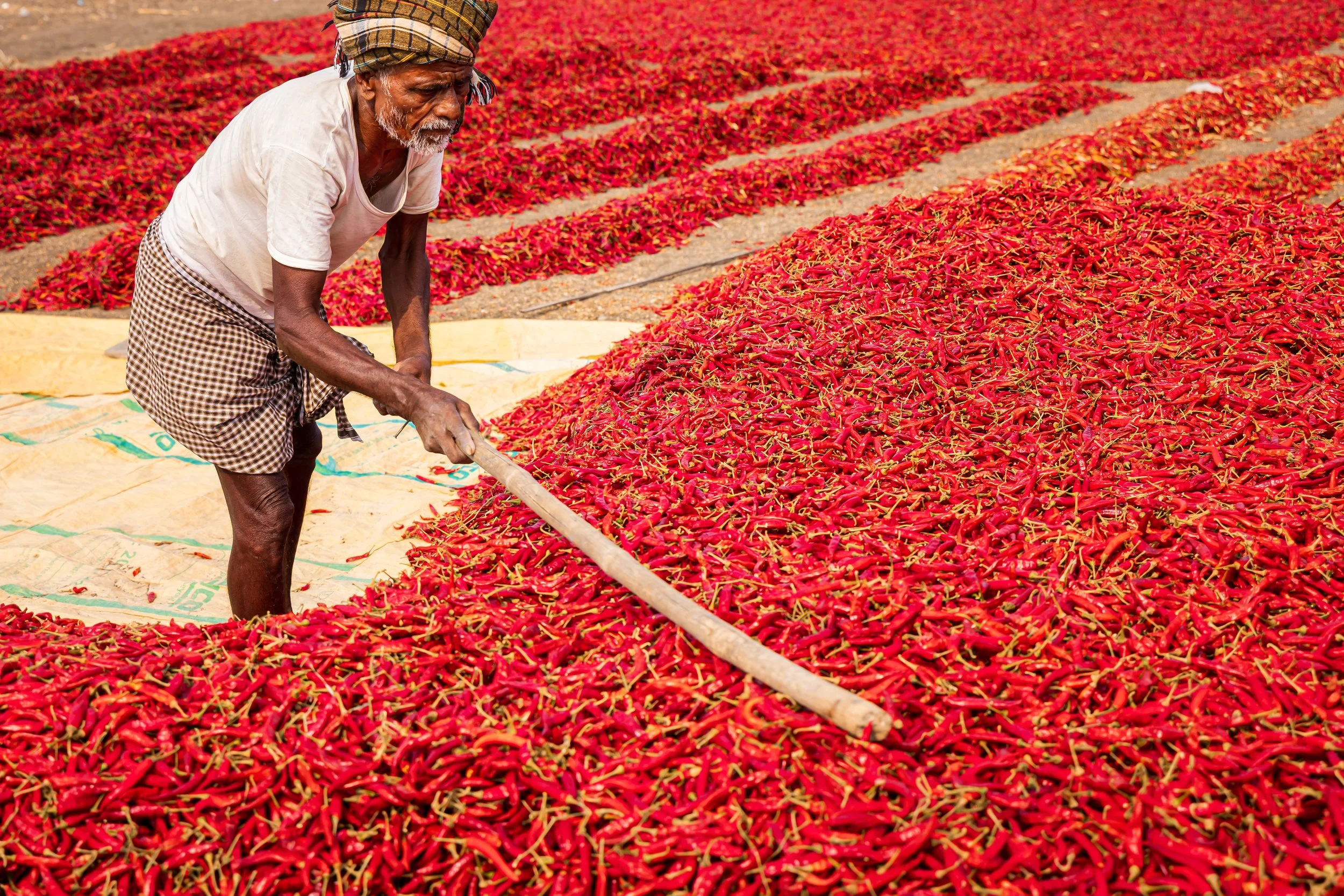
Unseasonal rains—especially in the first 45 days after sowing and during the drying period—can damage the crop with fungus, reducing both quality and price. Drying chilies is a delicate process that still happens on the ground, under the open sky. “If rain comes at the wrong time, we lose a lot,” he says. Simple solutions, like protective covers for drying, are available but often too expensive. Access to subsidies is limited, and only a few farmers in the village benefit from them.
But for Srinu, the biggest challenge is not farming itself—it is the market. “We can grow good crops,” he says. “But selling is the difficult part.”
Like many farmers, he depends on local traders who provide advance payments but capture a larger share of the profit. Selling through other channels could bring better prices, but requires transport, capital, and scale—things that are not always within reach. Despite these challenges, Srinu remains hopeful and forward-looking.
“We moved to natural farming for better soil and better health,” he says. “I want more farmers to follow this. It is good for people, and also better for income.”
Looking ahead, he dreams of opening a small shop in Srikakulam, selling organic products directly to customers. For now, that dream is limited by financial means—but it remains a goal for the future.
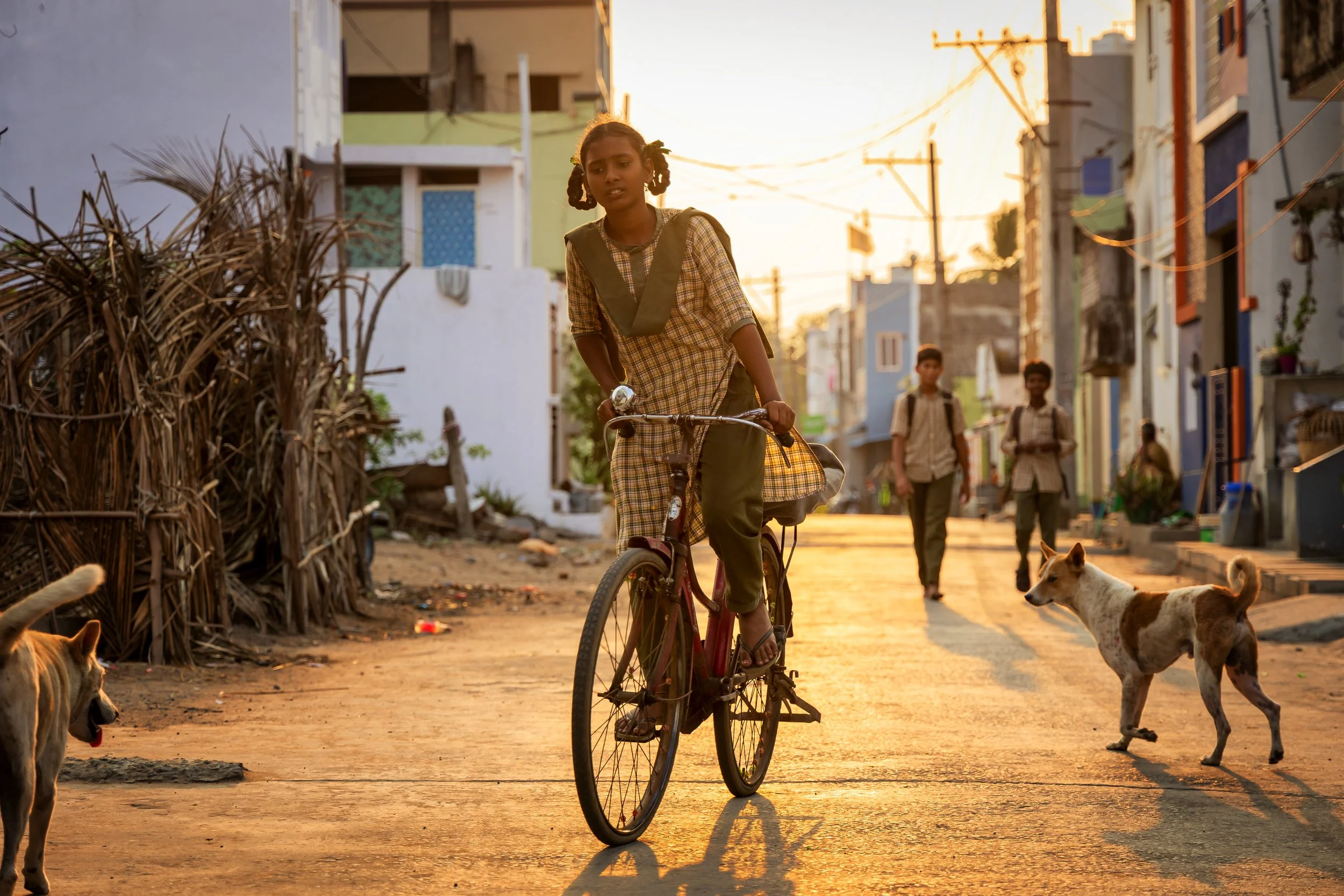
At home, the future is also a topic of conversation. Srinu hopes his son will continue farming.
“I believe in farming,” he says with a smile. “It is a good life.”
His wife sees it differently. She hopes their children will study and find stable jobs. When the idea comes up that their son might study agriculture and combine both worlds, Srinu smiles.
Maybe that is where the future lies: not in choosing between tradition and progress, but in connecting them.